
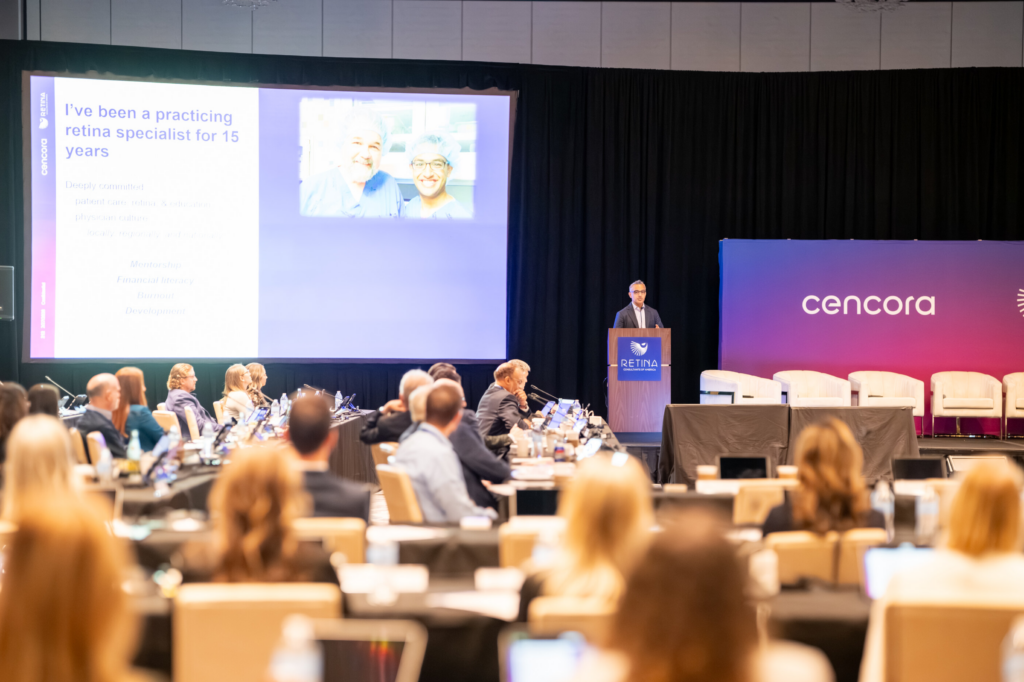
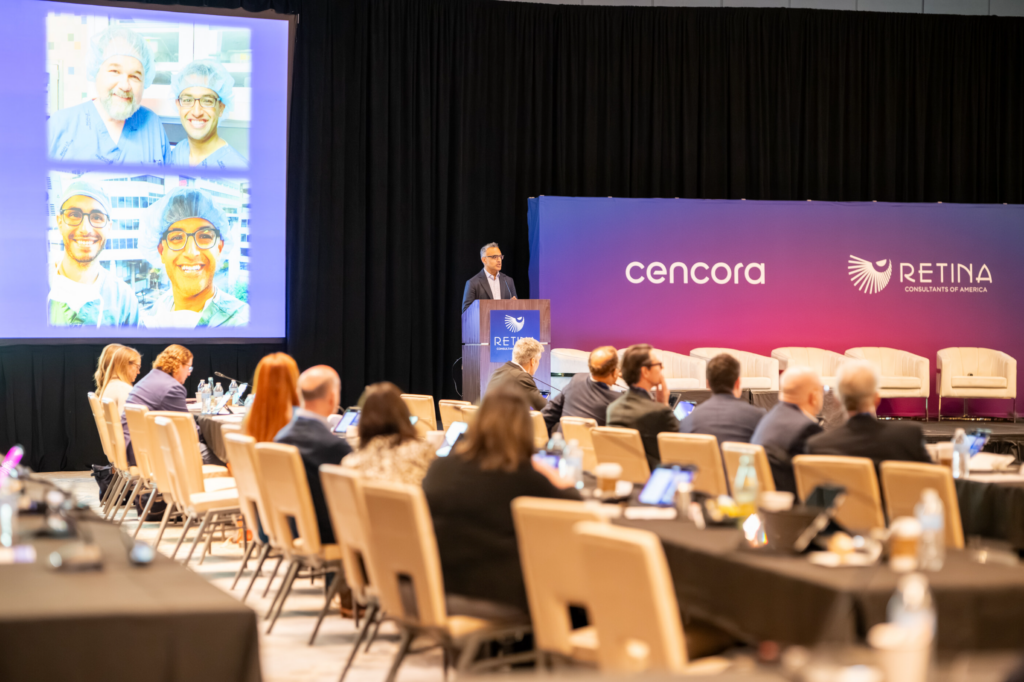
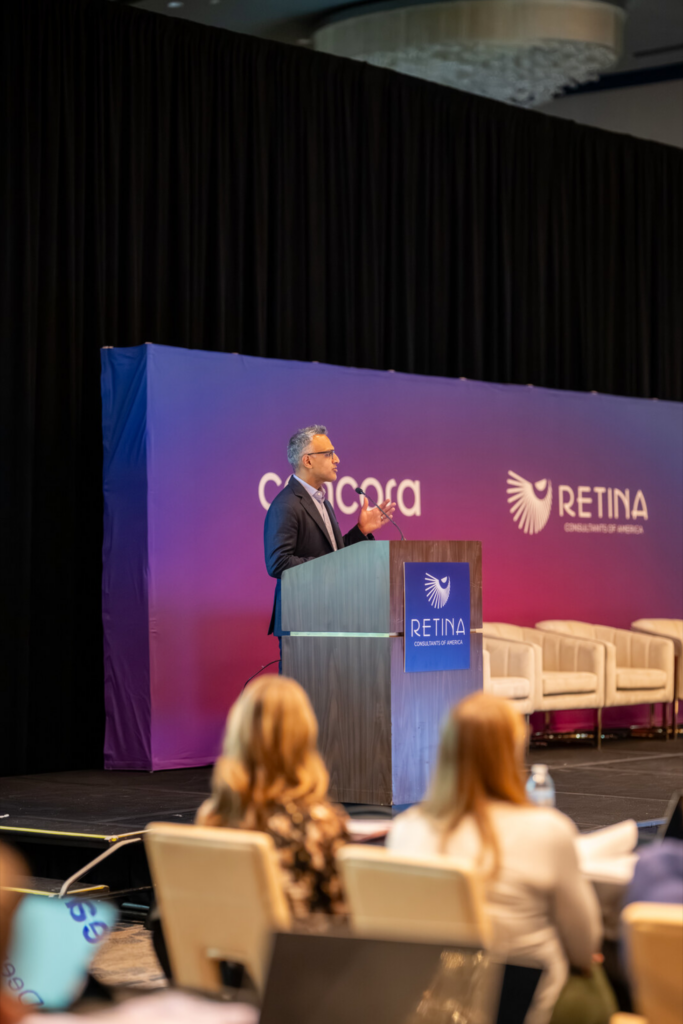
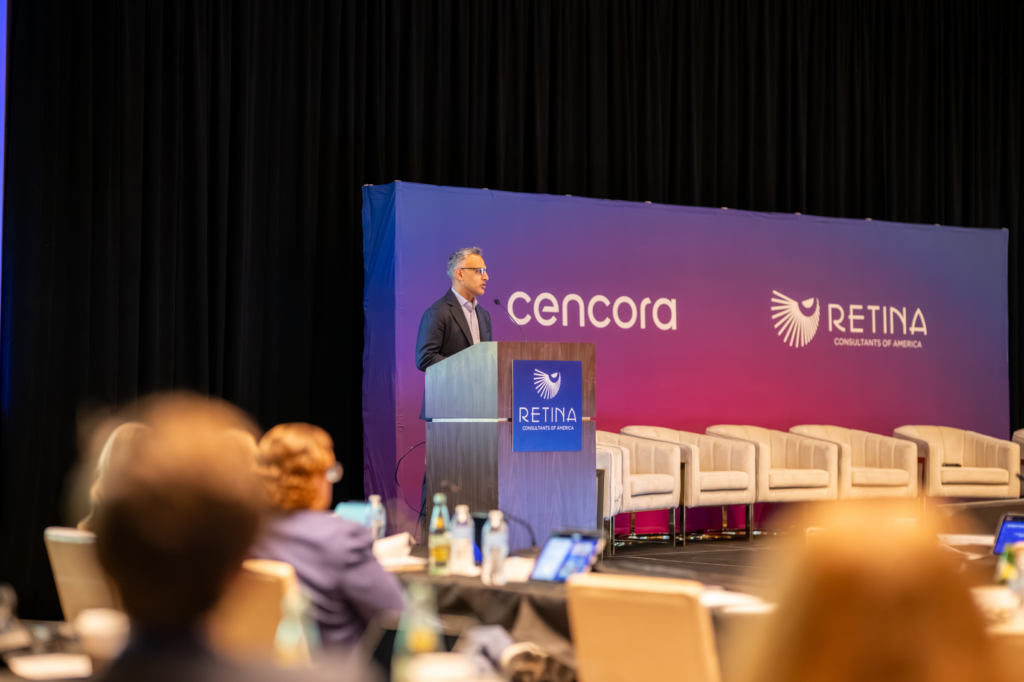
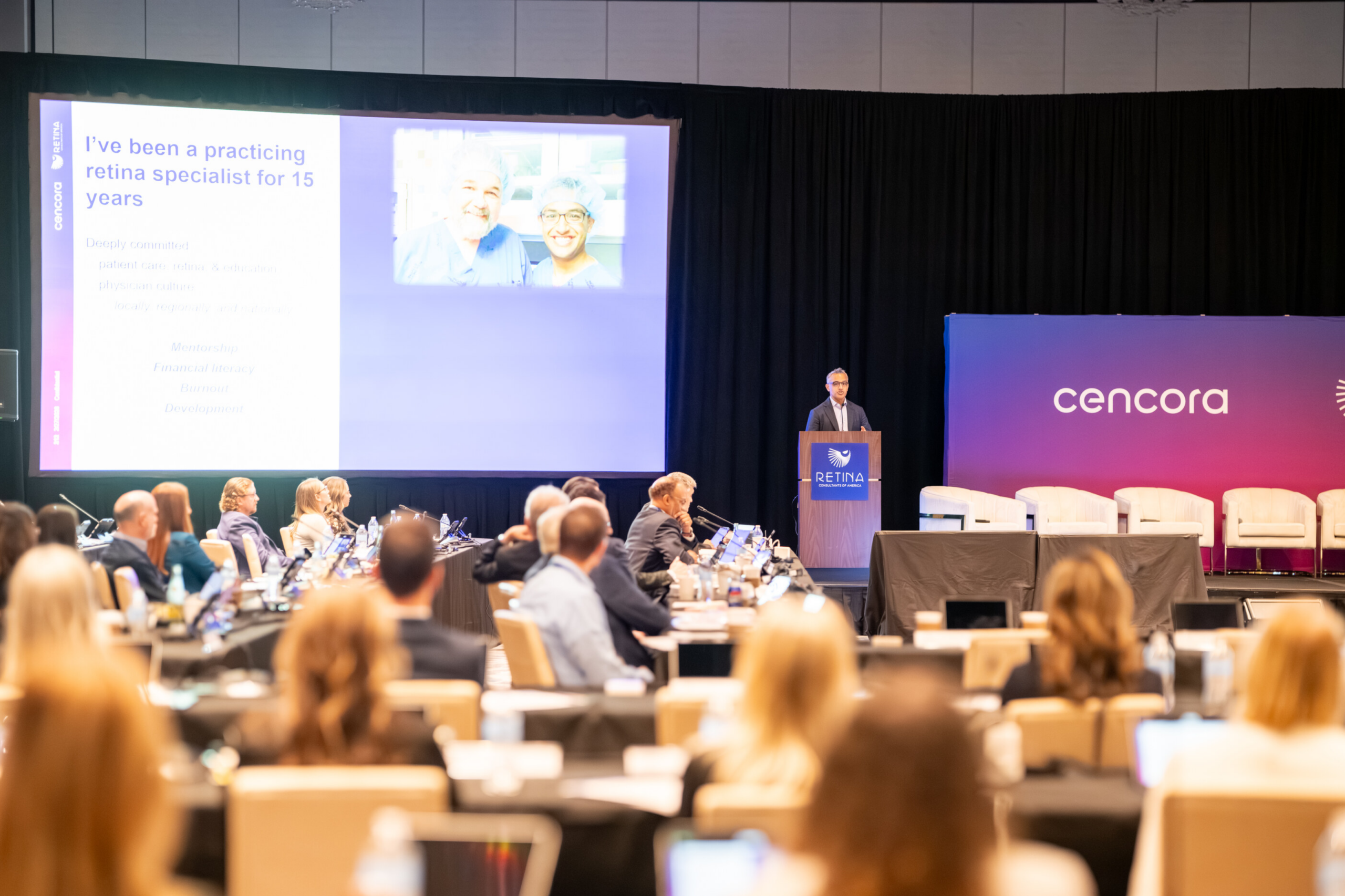
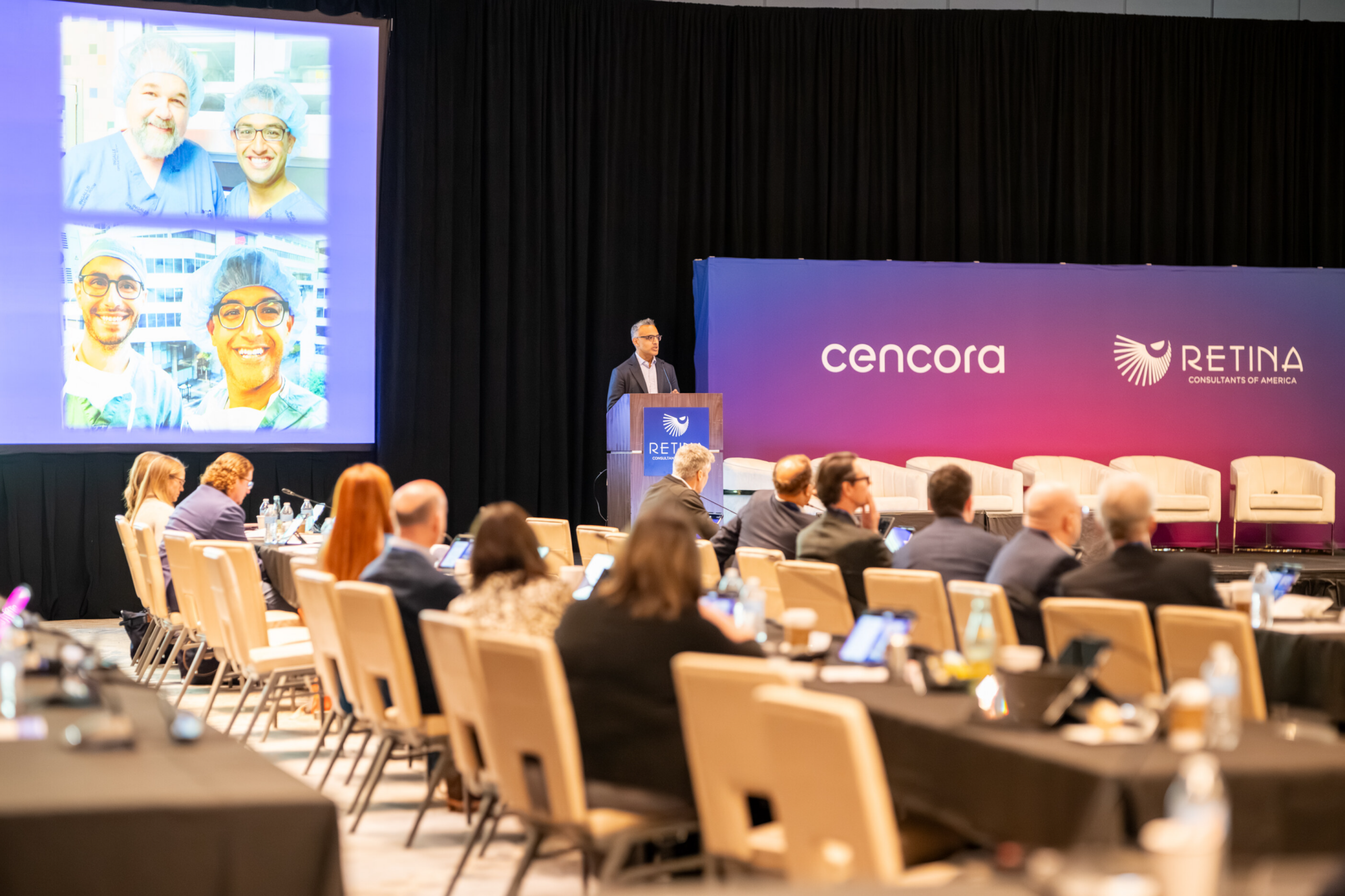
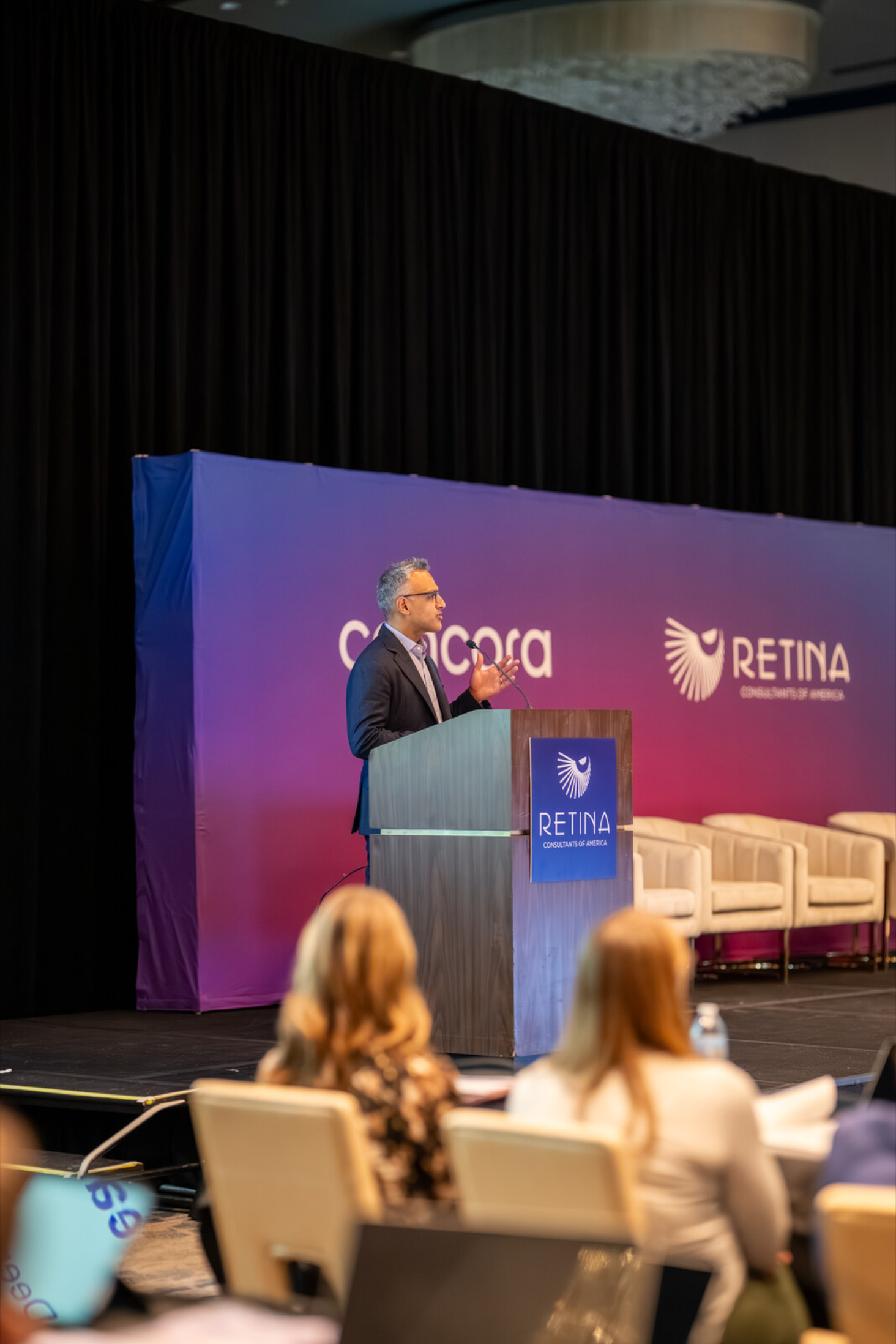
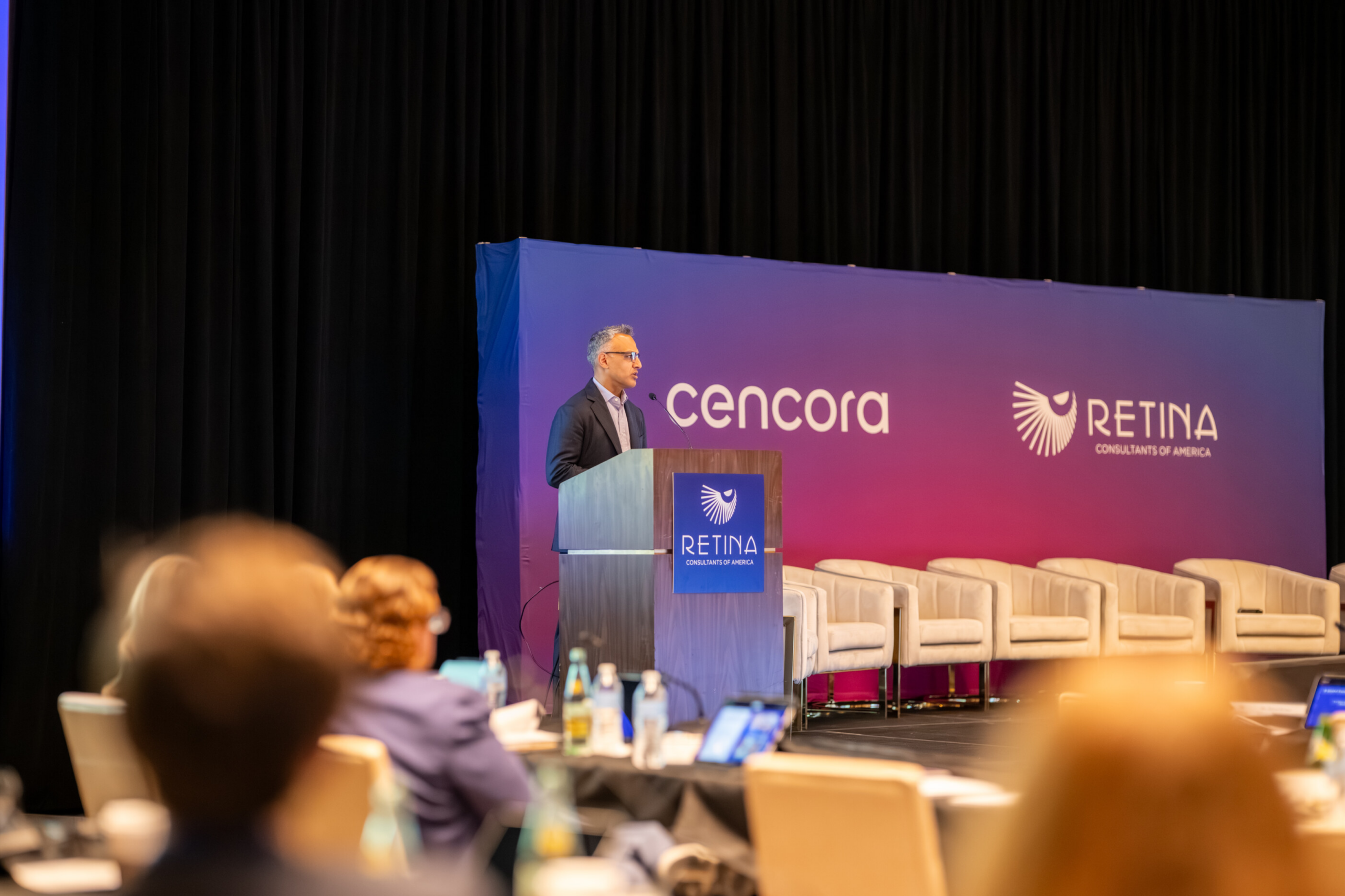
Dr. Vivek Chaturvedi, a physician at Illinois Retina Associates for more than 12 years, is building a first-of-its-kind RCA Physician Development Program. To participate and help shape the program, physicians can reach out to Dr. Chaturvedi or Chloe Gould.
Q: Why are you passionate about bringing this idea to life?
I have personally seen the impact that mentorship, financial literacy, burnout awareness, and professional development can have on physicians over the course of their long careers. When these areas are built with intention, supported by the organization, and taught through peer-led education, physicians flourish — and the entire organization becomes stronger and more resilient.
Unfortunately, these pillars — mentorship, financial literacy, burnout awareness, and development — are often left to chance, luck, or for physicians to figure out on their own.
As RCA has matured and built remarkable systems around operations, research, growth, and data, the next step is clear: intentionally investing in the physicians who power the platform every day.
Q: What makes RCA the right organization for a physician development program?
Since its beginning, RCA has understood how critical physician autonomy is — not only to individual physician success, but to the success of each practice and ultimately the entire platform. Just as important, RCA leadership has consistently supported physician-led initiatives. That combination of autonomy and aligned leadership makes RCA uniquely positioned to build something meaningful in physician development.
Q: What are some core aspects of the program participants can look forward to?
There are several elements we hope to bring soon and directly to RCA physicians.
First, helping each practice develop a local mentorship program. These programs are simple in structure but intentional in design, focused primarily on supporting associate physicians early in their careers.
Second, at a national level, we hope to build an associate onboarding program, similar in structure to the MLB meeting but focused on early-career development. This could include financial literacy education, physician burnout awareness, and leadership development, while also allowing new physicians to build relationships with their peers across the platform.
Third, we hope to create an annual leadership retreat for managing partners focused on culture, development infrastructure, and long-term physician engagement.
Finally, we hope to conduct listening sessions with select pilot practices to better understand physician needs and ensure the program evolves in a way that reflects the realities of practicing medicine today.
Q: What skill do physicians most want to strengthen?
I’ll cheat and give two answers.
The first is finding new areas of meaning and purpose throughout a physician’s career. Patient care is the central mission for most physicians, but over a long career our sense of purpose often evolves. Organizations rarely help physicians intentionally explore leadership roles, mentorship opportunities, or broader professional growth. Yet when that development is supported — through leadership pathways, strategic succession planning, and meaningful clinical and non-clinical growth opportunities — the impact can be profound.
The second is financial literacy. During medical training we receive almost no formal education on core financial concepts such as the time value of money, insurance planning, debt management, compensation structures, or estate planning. Physicians are expected to figure this out on their own.
Since COVID, I’ve given financial literacy lectures to students, residents, and attending physicians, and the demand has been unmistakable. Physicians want this knowledge — and they need it. Financial uncertainty increases cognitive load and has been associated with higher levels of burnout. Providing physicians with clarity and agency in this area can meaningfully improve both professional and personal well-being.
Q: What would you say to a physician unsure about participating?
This is not a wellness initiative or a check-box program. It is also not a mandatory series of modules or emails.
The goal is to build an intentional, system-aligned, locally delivered platform that invests in the professional and personal success of RCA physicians.
Q: How can physicians help shape the program?
Building this program will be a meaningful lift, and physician participation will be essential. We hope to work with physician champions across the platform to help bring these ideas to life.
Physicians interested in getting involved are welcome to reach out to me directly (vchaturvedi@illinoisretina.com) or Chloe Gould (cgould@retinaconsultantsofamerica.com).
Q: Finish the sentence: “I’ll consider this program a success if…”
I’ll consider this program a success if we can improve physician recruitment, retention, and engagement, intentionally develop future physician leaders, and protect the most important asset of the organization — the physicians themselves.
Q: What can physicians do to learn more?
Physicians interested in learning more are welcome to reach out to me directly (vchaturvedi@illinoisretina.com) or Chloe Gould (cgould@retinaconsultantsofamerica.com). Building this platform will take collaboration across the organization, and we look forward to working with physician champions who want to help shape the future of physician development at RCA.